Who owns your digital mahi? Māori data sovereignty in the age of AI.
Our faces, voices, reo and creative mahi are increasingly becoming data – often in ways we never agreed to or fully understand.
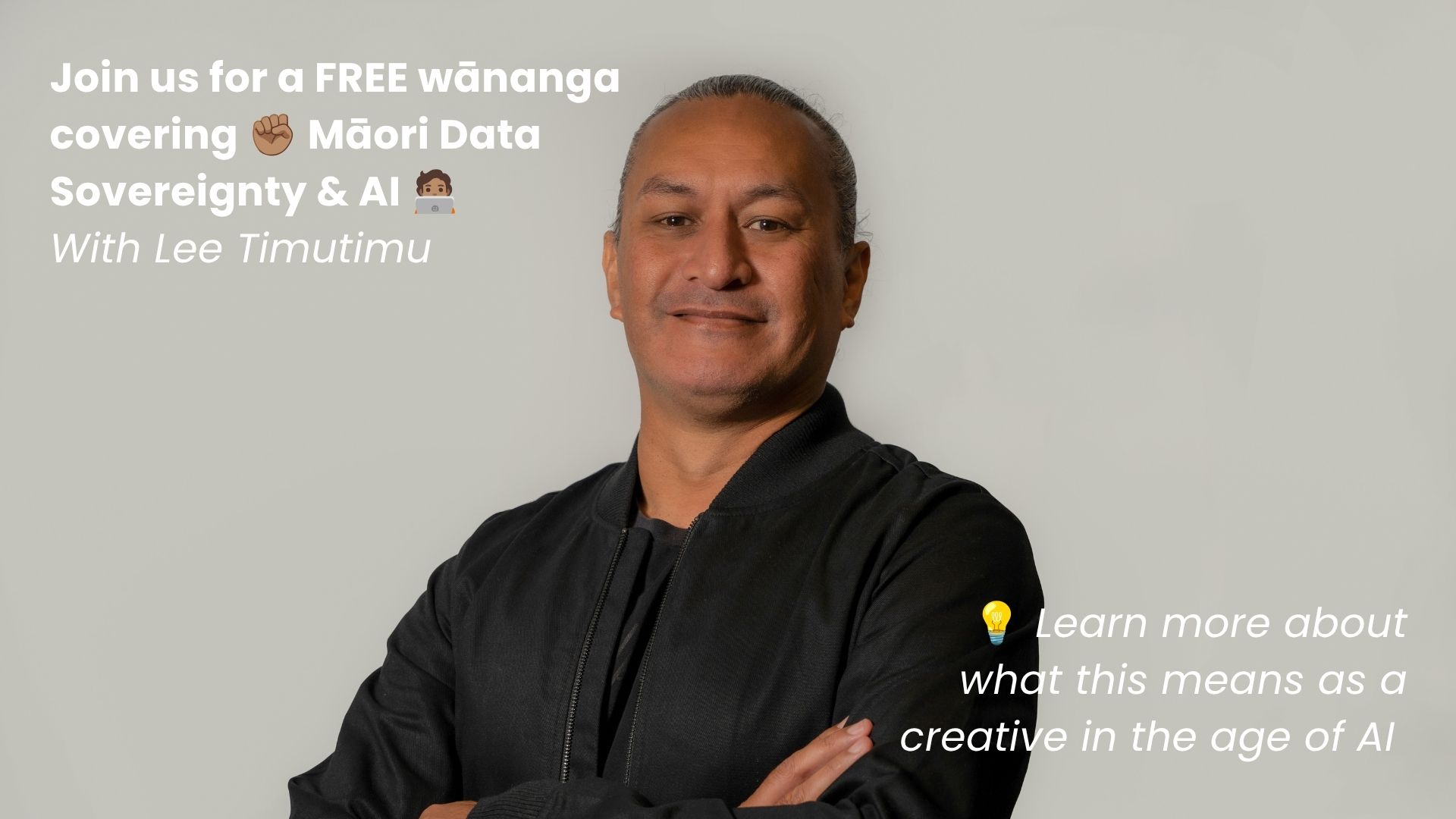
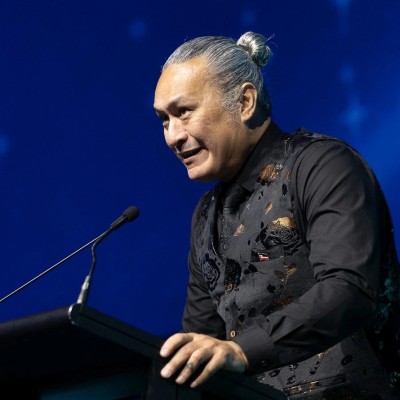
In this wānanga, facilitator Lee Timutimu explores what Māori data sovereignty means for Māori creatives in the age of AI, from protecting ownership of digital mahi to understanding contracts, release forms and how our work may be used to train AI systems. Grounded in tino rangatiratanga, this is an opportunity to ask better questions, understand your rights and make informed decisions about how your mahi is shared, used and protected.
A note from Lee:
“Most of us have signed something without reading it properly. I have. And most of us put our work online because that’s where people are, without thinking much past that.
I’d like to spend a couple of hours on what happens to it afterwards. Your face, your voice, your reo and the way you move are what you work with, and all of it is data now, along with every photo, video and recording of your mahi. It gets used in ways nobody mentioned at the time, including to train AI systems you will never see.
Māori data sovereignty is a question about who decides what happens to information that comes from us and about us. That’s tino rangatiratanga, and for artists it shows up in fairly ordinary places: a contract you’ve got three days to sign, a release form handed to you on a shoot, a clip that travelled a lot further than you meant it to.
We’ll go through what these technologies are actually doing to Māori creative mahi, what owning your work means once it’s digital, and what’s worth asking before you sign anything or put it up.”